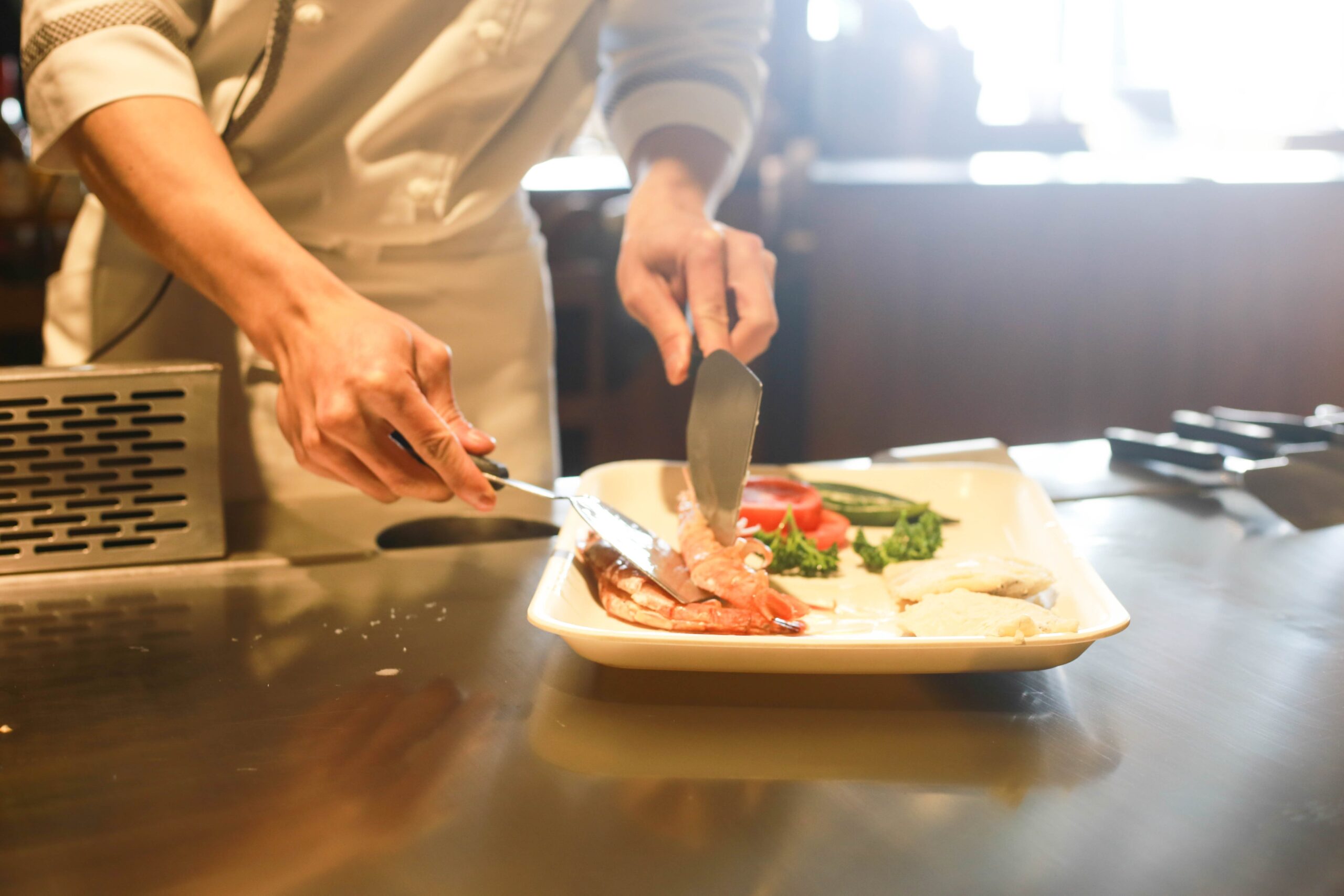
What is a Cloud Kitchen?
Cloud Kitchen, also known as a(ghost kitchen virtual kitchen, or dark kitchen, is a delivery-only restaurant. It has no dine-in space and operates solely to fulfill online orders through food delivery platforms like Zomato, Swiggy, Uber Eats, etc.
How Does a Cloud Kitchen Work?
-
Kitchen setup – The business sets up a kitchen in a low-rent area.
-
No front-of-house staff – Only chefs and kitchen staff are needed.
-
Receives online orders – Through delivery apps or their own website/app.
-
Food is prepared and packed – In disposable containers.
-
Delivered to customer – Via third-party delivery services or in-house fleet.
Explaination :-
Kitchen Setup
-
The business establishes a commercial kitchen in a low-rent location, often in industrial zones or less expensive areas.
-
No dine-in space is required—this significantly reduces costs.
👥 No Front-of-House Staff
-
Since there’s no physical restaurant for customers, there’s no need for waiters, hosts, or cashiers.
-
Only chefs, kitchen assistants, and packing staff are needed.
📲 Receives Online Orders
-
Orders come through:
-
Third-party delivery apps like Uber Eats, DoorDash, Zomato, etc.
-
Or the brand’s own website or mobile app.
-
👨🍳 Food is Prepared and Packed
-
Food is made to order and packaged in branded, disposable, eco-friendly containers.
-
Emphasis on food safety and packaging that travels well.
🚚 Delivered to Customer
-
Delivery is handled by:
-
Third-party delivery partners, or
-
An in-house delivery fleet, depending on the kitchen’s model.
-
Types of Cloud Kitchens
-
Single-brand cloud kitchen – One food brand operating from one kitchen.
-
Multi-brand cloud kitchen – One company operates multiple brands (e.g., Chinese, Indian, Pizza) from a single location.
-
Shared kitchen space – Different restaurants share a common kitchen space.
-
Aggregator cloud kitchen – Platforms like Zomato or Swiggy rent out kitchen spaces to restaurant partners.
Business Model of Cloud Kitchen
| Element | Description |
|---|---|
| Initial investment | Lower than traditional restaurant |
| Revenue model | Online food sales (delivery only) |
| Costs | Rent, staff, ingredients, packaging, commissions to apps |
| Marketing | Social media, delivery app promotions |
Advantages
-
Low investment and operational cost
-
Quick setup
-
Focus on food quality and delivery
-
Data-driven marketing (targeted based on app data)
-
Scalability – Easy to open multiple outlets
💰 Low Investment & Operational Cost
-
No need for expensive high-street locations or dining areas.
-
Fewer staff required – savings on labor and rent.
⚡ Quick Setup
-
Kitchens can be set up quickly in low-cost areas.
-
Faster time to market compared to traditional restaurants.
🍽️ Focus on Food Quality & Delivery
-
All energy and resources go into menu development, food prep, and packaging.
-
Streamlined operations improve consistency and customer satisfaction.
📊 Data-Driven Marketing
-
Orders through apps provide insights into:
-
Customer preferences
-
Peak times
-
High-demand dishes
-
-
Enables targeted promotions and optimized menu planning.
📈 Scalability
-
Easy to replicate the model in new areas with minimal cost.
-
Brands can test and launch multiple virtual brands from the same kitchen.
Disadvantages
-
Heavy reliance on delivery apps (high commission fees)
-
No walk-in customers
-
High competition in delivery space
-
Less brand visibility compared to physical restaurants
📉 Heavy Reliance on Delivery Apps
-
Platforms like Uber Eats or Zomato charge high commission fees (15%–30%) per order.
-
Eats into margins and reduces profit potential.
🚫 No Walk-in Customers
-
Entirely dependent on online traffic — no impulse foot traffic or in-person experience.
-
Limits brand exposure to just digital platforms.
🔥 High Competition in Delivery Space
-
Low barrier to entry means many brands and virtual kitchens compete in the same market.
-
Harder to stand out without aggressive marketing or unique offerings.
👀 Less Brand Visibility
-
Without a physical storefront or dine-in experience, brand recognition is lower.
-
Requires more digital marketing and partnerships to stay top-of-mind.
How to Start a Cloud Kitchen in India
-
Choose a concept or cuisine
-
Market research – Demand, competitors, pricing
-
Location selection – Affordable but reachable
-
Licensing – FSSAI, GST, Shop Act, Fire NOC
-
Set up kitchen – Equipment, chefs, packaging
-
Tie-up with delivery platforms – Swiggy, Zomato
-
Create a brand identity – Logo, menu, online presence
-
Digital marketing – Influencers, Instagram, Google Ads
-
Use technology – POS systems, order management apps
Future of Cloud Kitchens in India
-
Growing due to increase in online food ordering.
-
Urban lifestyle changes (convenience, time-saving).
-
Support from food delivery giants.
-
AI-driven kitchens and smart order systems.
-
High potential in Tier 2 and Tier 3 cities.
Example Companies
-
Rebel Foods (Faasos, Behrouz Biryani)
-
Box8
-
Freshmenu
-
Zomato Infrastructure Services
-
Swiggy Acces